What to include in a charity fundraising pack
Fundraising packs often grow over time. A new guide is added for one campaign, a poster is created for another, and another form is included because somebody once asked for it. Before long, the pack contains plenty of material but is not necessarily easier for a supporter to use.
A charity fundraising pack is a collection of guidance, tools and promotional resources that helps a supporter plan, promote, run and complete fundraising for a charity. A useful pack should include clear getting-started information, relevant promotional materials, safety and practical guidance, paying-in instructions and resources for thanking everyone involved.
The aim is not to send every possible file to every person. It is to give each supporter the right information and resources for their activity, at the point when they need them.

Start with the supporter’s journey
Before choosing individual pack contents, map the steps a supporter is likely to take. Most supporter-led fundraising follows five broad stages:
- Plan their fundraising: choose an activity, date, venue, target and way to collect donations.
- Promote it: tell friends, family, colleagues or the wider community what is happening.
- Run the activity safely: understand their responsibilities and complete the practical preparation.
- Collect and pay in funds: know how donations should reach the charity and how they will be identified.
- Thank the people who helped: acknowledge donors, attendees, volunteers and others who supported the activity.
Organising a pack in this order gives supporters a clear route through it. It also helps your team identify where an event-specific resource is needed and where one concise guide can work for everyone.
Essential planning and guidance
Every pack should begin with a short, welcoming guide that explains what to do next. Keep it practical. Include the charity’s contact details, a simple planner or timeline, fundraising ideas, and links to any approved online fundraising platforms your charity uses.
Supporters also need clear boundaries. Explain how they may use your charity’s name, logo and brand materials. If they are organising their own activity, tell them how to describe it accurately. The Fundraising Regulator’s current standards say that, where a charity knows about an in-aid-of volunteer’s activity beforehand, it must take reasonable steps to ensure the volunteer uses the expression “in aid of”, understands that they are responsible for organising it, and can find information about fundraising legally and safely. See the Fundraising Regulator’s standards for volunteers.
Include proportionate guidance on staying safe, permissions, insurance, food, alcohol, collections, raffles or safeguarding where these could apply. A risk assessment template can be useful for some events, but it should sit alongside plain-English instructions about when and how to use it. The Health and Safety Executive’s event safety guidance is a useful starting point.
This section of the pack should direct supporters to current advice rather than attempt to replace legal or professional guidance. Requirements vary according to the activity, location and people involved.
Promotional materials supporters can personalise
Promotional resources become far more useful when supporters can add the details that make their activity real. Depending on the event, useful options include:
- Editable A4 posters and smaller noticeboard flyers.
- Social media graphics in suitable square and portrait formats.
- Invitations or event graphics for email and messaging apps.
- QR code posters that direct people to a donation or event page.
- Table talkers, bunting, cake flags and simple decorative items.
- Stall signs, price cards and activity signs where relevant.
At a minimum, editable materials should make room for the activity, date, time and venue. They may also need the supporter’s name, fundraising target, contact details or donation-page link. If a QR code is included, make sure the supporter can use the correct destination and test it before sharing or printing.
Try to avoid designs that expect supporters to squeeze handwritten details into a small blank box. Clear prompts and flexible templates usually produce a more professional result while keeping the supporter’s activity at the centre.
Community fundraising resources
Community fundraising packs should support the practical needs of activities such as coffee mornings, bake sales, quizzes, raffles, school events and workplace fundraisers. A coffee morning organiser might value an editable poster, table signs, bunting, a simple event checklist and a QR code graphic. A quiz organiser may need answer sheets or a score sheet. A raffle may require specific guidance about the rules and permissions that apply.
Not every community fundraiser needs a sponsorship form. Including one in every pack can make the pack feel generic and may distract from the resources that are genuinely useful. Ask what the supporter is planning, then show or send the most relevant materials.
Where an activity involves collections, events or prize draws, link supporters to the applicable sections of the Code of Fundraising Practice and your charity’s own approved guidance.
Challenge fundraising resources
A challenge fundraising pack has a different job. Someone preparing for a sponsored walk, run, cycle, swim or other challenge may need:
- A clear sponsorship form, including any conditions that apply to the sponsorship.
- A challenge poster personalised with the activity, date and target.
- Social graphics for announcing the challenge, sharing progress and making a final appeal.
- A back sign, event-wear insert or printable name panel where appropriate.
- A fundraising target tracker or progress graphic.
- Training, preparation and event-day guidance supplied or approved by the charity or event organiser.
The Fundraising Regulator’s standards for events cover areas such as risk, permissions, participant information and sponsorship conditions. Use them when reviewing your own processes and supporter guidance.
Paying-in resources
Paying-in instructions are easy to overlook, but they are essential. A supporter should not finish their activity and then have to search your website or wait for an email to find out what to do with the money.
Explain the methods your charity accepts, how the supporter should send in the funds, which reference they should use, who a cheque should be payable to where applicable, and how your team will connect the payment with their fundraising activity. Include a phone number or email address for questions.
Review these instructions whenever your payment processes change. Do not leave banking details or legacy procedures buried in an old PDF.
Thank-you materials
A pack should help the supporter finish well, not stop at the event date. Provide thank-you posters, social media graphics, certificates or short suggested messages that can be used to thank donors, attendees, volunteers, venues and local businesses.
These resources help supporters show appreciation promptly and share what they achieved. They also give your fundraising team a natural point at which to celebrate the supporter, confirm that funds have been received and invite them to stay involved.
Physical, digital or both?
Physical items still have value. Collection buckets, event wear, banners and some printed materials cannot be replaced by a download. Printed packs may also be more accessible for supporters who are not confident online or do not have easy access to a printer.
Digital materials, however, can be available immediately, updated centrally and personalised more easily. Supporters can return to them when details change and print as many copies as they need. For many charities, the most useful approach is digital-first with a clear route to request physical items where they add value. Read more about digital fundraising packs.
A practical fundraising pack checklist
Use this checklist as a starting point, then remove anything that is not relevant to the individual supporter or activity.
| Stage | Suggested contents | Personalise or tailor? |
|---|---|---|
| Getting started | Welcome, next steps, contact details and a clear explanation of the charity’s support | Tailor the next steps to the type of fundraising |
| Planning | Ideas, planner, timeline, target prompts and donation-page guidance | Offer community or challenge-specific versions |
| Promotion | Posters, social graphics, invitations, QR code graphics and event signs | Yes: activity, date, time, venue and donation link |
| Event or challenge | Relevant printables, sponsorship forms, progress resources or event-day materials | Only include resources that match the activity |
| Safety and guidance | Staying-safe guidance, responsibilities, permissions, brand use and risk assessment information where appropriate | Tailor to the activity, location and people involved |
| Paying in | Accepted methods, references, cheque instructions where applicable and help contacts | Use the supporter or activity reference your charity requires |
| Thanking supporters | Thank-you posters, social graphics, certificates and suggested messages | Yes: result, supporter name or activity where appropriate |
Avoid sending the same pack to everyone
A single oversized pack can create more work for the supporter. The organiser of a small bake sale does not need challenge training guidance, while a marathon participant may have no use for table signs or quiz sheets.
A better approach is to maintain a reliable core of getting-started, safety, paying-in and thank-you information, then add activity-specific materials. You can tailor what appears according to whether the supporter is planning community fundraising, taking part in a challenge or thanking people after an event.
Bring your fundraising resources together
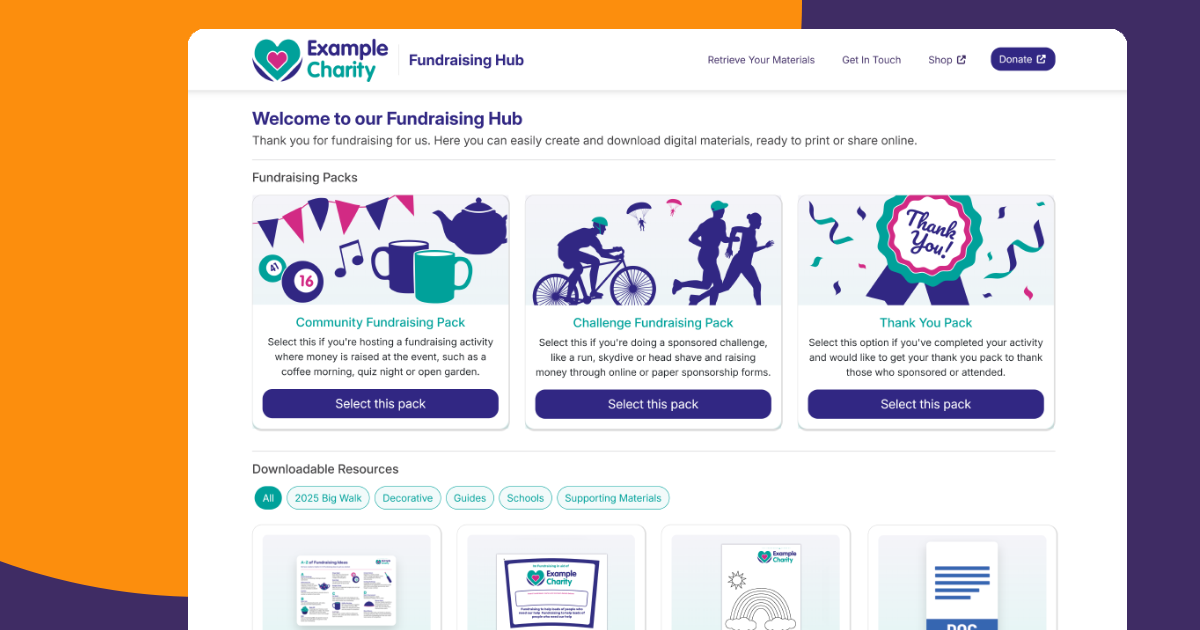
FundraizingHero provides Community, Challenge and Thank You packs through a branded Fundraising Hub. Charities can enable built-in fundraising templates and add their own guides, downloads and campaign resources, giving supporters one place to find what is relevant to them.
You can explore digital fundraising packs or learn more about organising your fundraising resources for supporters.
Want to bring your fundraising resources together?
Review your current pack from the supporter’s perspective. Can they quickly find what they need to plan, promote, run and complete their particular activity? If not, see how digital fundraising packs can create a clearer experience, or start your free 30-day trial.
More from the blog
What is a digital fundraising hub and does your charity need one?
Read this blog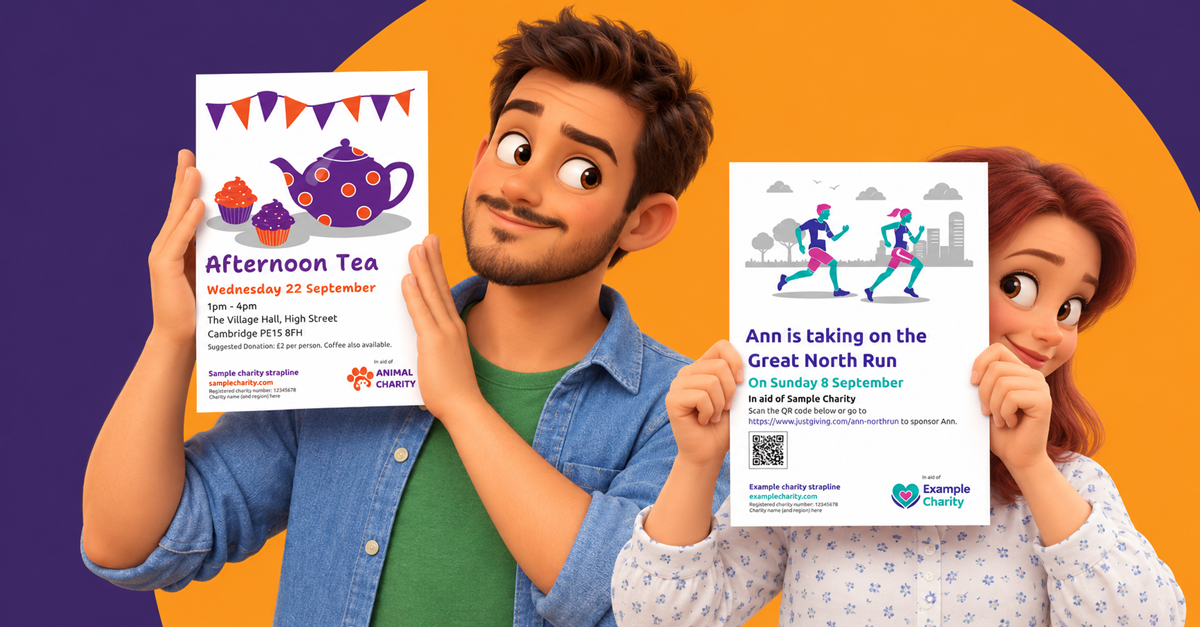
Personalised vs generic fundraising packs: Enhancing supporter engagement
Read this blog
5 tips for creating downloadable fundraising resources your supporters will love
Read this blogNo commitment, no credit card or payment info required